
Eviction Services
Expert eviction support for Florida landlords — from notice drafting to writ of possession.
What Our Clients Say
“Headley Legal Support Services made a daunting eviction process remarkably smooth for me. Their expertise in residential eviction was evident from the beginning. They handled all the legal paperwork and communication with the tenant, allowing me to focus on other important matters.”
About This Service
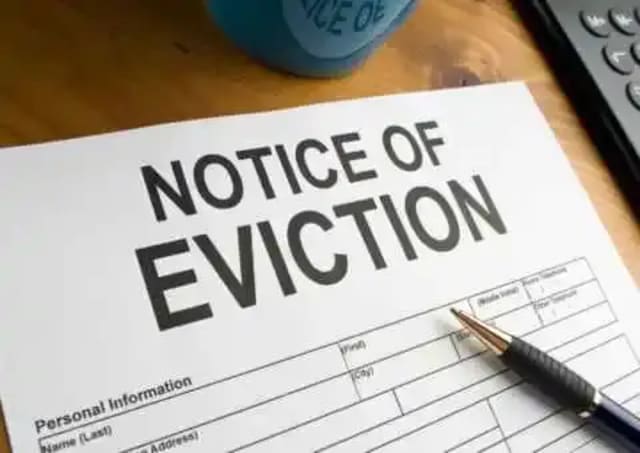
Start-to-finish residential eviction assistance throughout Florida. From 3-day notices to writ of possession execution, we guide landlords and property managers through every step.
What We Offer
- 3-day, 7-day, and 15-day notice preparation
- Court filing assistance
- Writ of possession execution
- Miami-Dade and Broward County focus
- Attorney referral network
- Property manager partnerships
Are you a landlord, property owner, or property manager dealing with a tenant who has violated their lease agreement? Navigating the residential eviction process in Florida can be daunting — the statutes are specific, the deadlines are strict, and a single procedural misstep can delay your case by weeks or even months. Headley Legal Support Services specializes in providing comprehensive, start-to-finish residential eviction assistance throughout the state of Florida, helping you protect your property rights while remaining fully compliant with the law.
Florida's landlord-tenant relationship is governed primarily by Chapter 83 of the Florida Statutes, also known as the Florida Residential Landlord and Tenant Act. This statute sets out the rights and obligations of both parties, the legally permissible grounds for eviction, the required notice periods, and the court procedures that must be followed. Understanding these provisions is essential for any landlord who wants to regain possession of their property without exposing themselves to liability.
Under Florida law, there are several legally recognized grounds for eviction. The most common is non-payment of rent. When a tenant fails to pay rent on time, the landlord must serve a 3-Day Notice to Pay or Vacate before filing an eviction complaint. This notice gives the tenant exactly three business days (excluding weekends and legal holidays) to either pay the full amount owed or vacate the premises. If the tenant does neither, the landlord may proceed to court.
Other grounds for eviction include material violations of the lease agreement, such as unauthorized occupants, pet policy violations, or property damage. For these lease violations, Florida law requires a 7-Day Notice to Cure, which gives the tenant seven days to remedy the violation. If the same violation recurs within 12 months, the landlord may issue a 7-Day Unconditional Quit Notice — meaning the tenant must vacate without the opportunity to cure. For month-to-month tenancies where the landlord simply wishes to terminate, a 15-Day Notice of Termination is required, delivered at least 15 days before the end of any monthly rental period.
Once the appropriate notice period has expired without compliance, the next step is filing an eviction complaint (also called a Complaint for Removal of Tenant) with the county court in the jurisdiction where the property is located. In Miami-Dade County, this is filed with the Miami-Dade County Court, Civil Division. In Broward County, filings go through the Broward County Court. The complaint must include the original lease agreement (if written), a copy of the notice served on the tenant, proof of service, and the filing fee.
After the complaint is filed, the tenant is served with a summons and has five business days to respond. If the tenant fails to respond, the landlord may request a default judgment and move for a Final Judgment of Eviction. If the tenant does respond — often by depositing the disputed rent into the court registry — the case proceeds to a hearing where a judge will determine the merits. Headley Legal Support Services assists with every stage of this process, from preparing and serving the initial notice through coordinating with the clerk's office on filings.
Once a Final Judgment of Eviction is entered, the clerk of court issues a Writ of Possession. This document authorizes the county sheriff to physically remove the tenant from the property. In most Florida counties, the sheriff posts the Writ of Possession on the property door, giving the tenant 24 hours to vacate. If the tenant remains after that 24-hour period, the sheriff returns to execute the writ and the landlord may change the locks and reclaim possession. Our team coordinates the writ execution process with the sheriff's office and can be present on-site to ensure a smooth transition.
For property managers overseeing multiple units or entire communities, evictions are an unavoidable part of operations. We work with property management companies across Florida to provide volume pricing, streamlined intake procedures, and consistent communication so that every case is handled with the same level of professionalism and urgency. Whether you are managing a single rental home or a portfolio of hundreds of units, our team scales to meet your needs.
We also maintain a network of experienced Florida eviction attorneys. While many straightforward evictions can be handled without an attorney, contested cases — particularly those involving counterclaims for habitability, retaliation, or discrimination — benefit from legal representation. If your case requires an attorney, we can connect you with a qualified lawyer who specializes in Florida landlord-tenant law. Our role as your eviction support provider ensures that the legal and logistical components work together seamlessly.
Landlords new to the eviction process often have questions about their rights. Under Florida law, landlords have the right to receive rent payments on time as specified in the lease. They have the right to enter the property for inspections with at least 12 hours' notice. They have the right to enforce the terms of the lease agreement and to seek eviction when those terms are violated. However, landlords must never attempt a "self-help" eviction — changing locks, shutting off utilities, or removing a tenant's belongings without a court order is illegal in Florida and can result in significant liability.
Tips for landlords and property managers: always document everything in writing, keep copies of all notices served, photograph the condition of the property before and after tenancy, and maintain detailed records of all rent payments received. These records become critical evidence if the eviction is contested. Additionally, screen tenants thoroughly before signing a lease — a comprehensive background check and credit review can prevent many eviction situations before they arise.
How It Works
Initial Consultation & Case Review
Contact Headley Legal Support Services to discuss your situation. We review the lease agreement, identify the grounds for eviction, and determine which notice type is required under Florida law — whether a 3-Day, 7-Day, or 15-Day notice.
Notice Preparation & Service
We draft the legally compliant eviction notice using the format required by Florida statute, then serve it on the tenant through a certified process server. Proper service is critical — an improperly served notice can invalidate the entire eviction.
Eviction Complaint Filing
After the notice period expires without tenant compliance, we assist with preparing and filing the eviction complaint with the appropriate county court, along with all required supporting documents including the lease, notice, and proof of service.
Court Process & Hearing
The tenant is served with a summons and has five business days to respond. If uncontested, we help you request a default judgment. If contested, we coordinate with your attorney to prepare for the hearing and ensure all documentation is court-ready.
Final Judgment & Writ of Possession
Once the court enters a Final Judgment of Eviction, the clerk issues a Writ of Possession. We coordinate with the county sheriff's office for posting and execution of the writ, and can be on-site when possession is restored to you.
Why Choose Headley Legal Support
- Start-to-finish eviction support — from the initial notice through writ of possession execution, so you never have to coordinate between multiple vendors
- Deep expertise in Florida's Residential Landlord and Tenant Act (Chapter 83, Florida Statutes) and county-specific court procedures
- Legally compliant notice preparation — 3-Day, 7-Day, and 15-Day notices drafted to meet the precise statutory requirements
- Court filing assistance with the Miami-Dade, Broward, and Palm Beach county clerk offices, reducing errors and delays
- Established relationships with county sheriff departments for efficient writ of possession execution
- Attorney referral network connecting you with experienced Florida eviction lawyers when legal representation is needed
- Volume pricing and dedicated account management for property management companies handling multiple evictions
- Decades of combined experience helping Florida landlords protect their property rights lawfully and efficiently
Areas We Serve
Headley Legal Support Services provides residential eviction assistance throughout the state of Florida, with particular depth of experience in Miami-Dade County, Broward County, and Palm Beach County — the three largest counties in South Florida. We handle eviction cases in cities including Miami, Fort Lauderdale, Hollywood, Pembroke Pines, Coral Springs, Boca Raton, West Palm Beach, Hialeah, and Homestead. We also serve landlords and property managers in Central Florida (Orlando, Tampa, St. Petersburg) and North Florida (Jacksonville, Tallahassee, Gainesville). Regardless of where your rental property is located in Florida, our team has the expertise and court access to guide your eviction from start to finish.
Submit Eviction Request
Ready to Get Started?
Click below to open the eviction services request form. Our team typically responds within one business day.