
Emotional & Legal Tips for Landlords in Florida: Managing Difficult Tenants
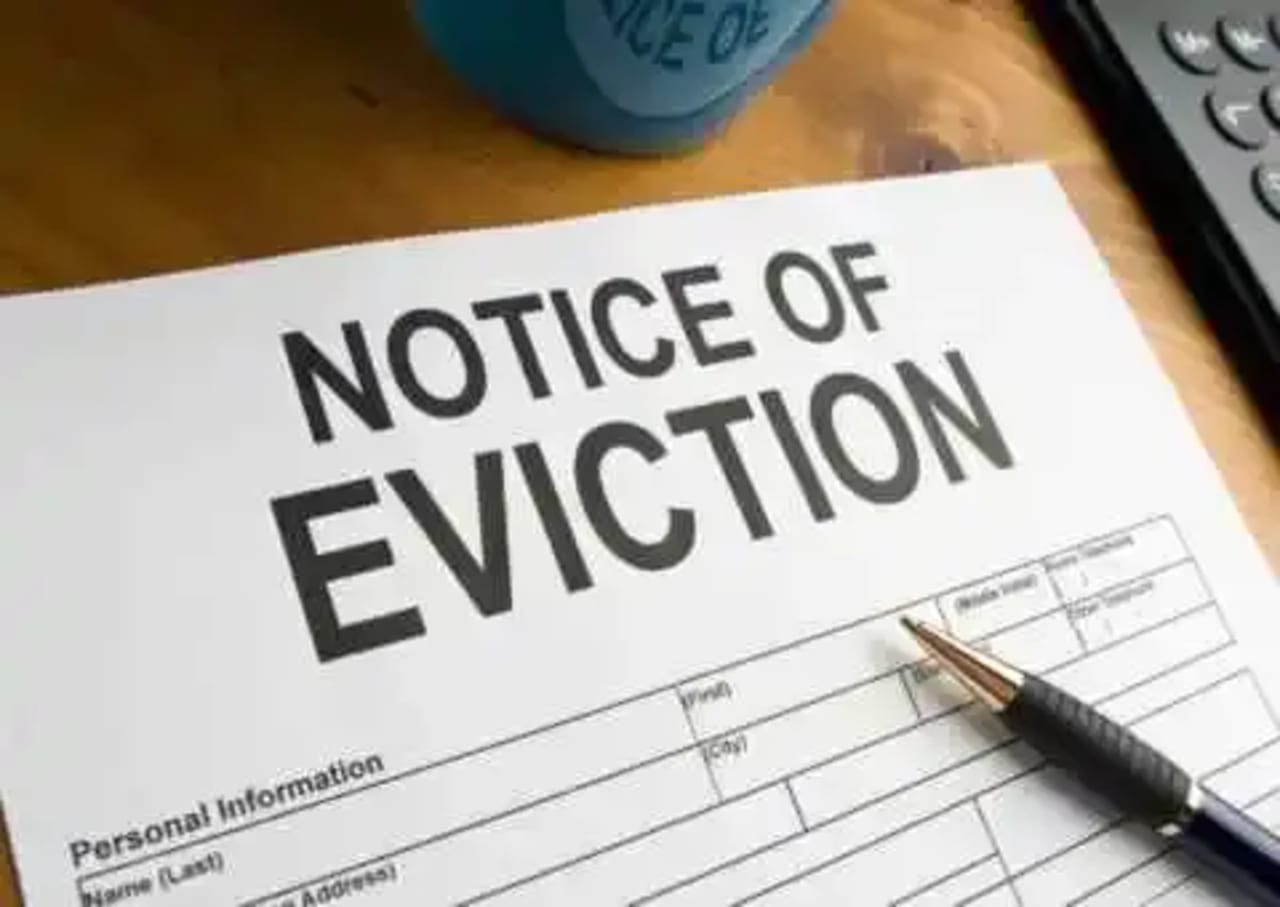
Being a landlord isn’t just about collecting rent and maintaining property—sometimes, it’s about managing tension, stress, and difficult conversations. Whether you’re dealing with missed payments, broken rules, or tenants who just won’t cooperate, it’s easy to feel overwhelmed.
As legal support specialists serving Florida landlords for years, we understand how draining these situations can be. That’s why we created this guide to help you navigate both the emotional and legal sides of a difficult tenancy.
We’ll walk you through the termination of tenancy, how to issue a notice to vacate in Florida, and what to expect from a final notice of eviction—so you can regain control of your rental and your peace of mind.
When a Tenant Becomes Too Difficult: Knowing When to Act
It starts small—a late rent payment, a noise complaint, a broken rule. But over time, one small issue can turn into a bigger problem. Many landlords struggle with the question:
“Should I give them another chance, or is it time to end the lease?”
Here are some signs it’s time to take legal steps:
- Consistent non-payment or late payment
- Property damage or lease violations
- Aggressive or manipulative behavior
- Ignoring written communication
- Repeated complaints from neighbors
While this guide focuses on landlords, it’s also important to understand that termination of tenancy by tenant is a legal option under Florida law. Tenants can legally end their lease under certain conditions—and knowing your rights on both sides helps you avoid unexpected legal pushback.
👉 Read this guide on termination of tenancy by tenant to understand how renters can legally break a lease in Florida.
Step 1: Review Your Lease Agreement
Before you do anything, go back to your lease. Does it clearly outline payment terms, rules, and tenant responsibilities? Are there clauses about violations or early termination?
This is your legal starting point. Courts will often refer to your lease when evaluating eviction claims, so make sure you’re following what was originally agreed upon.
Tip: Document every violation in writing, including photos, messages, and dates. This creates a paper trail that protects you in court.
Step 2: Issuing the Proper Notice to Vacate in Florida
Florida law requires that you give tenants a written notice to vacate before pursuing eviction. The length of the notice depends on the reason for termination:
- 3-Day Notice — If rent hasn’t been paid
- 7-Day Notice — For lease violations (e.g., unauthorized pets, damage, loud parties)
- 15-Day Notice — If you’re ending a month-to-month tenancy (no cause required)
The notice must be delivered properly: hand delivery, certified mail, or posted on the door in some cases. If done incorrectly, your case could be thrown out.
Want to skip the risk? Let Headley Legal Support Services help. We handle notice preparation and service with paralegal-level precision.
Step 3: If They Don’t Leave — Filing a Final Notice of Eviction
If your tenant ignores the notice or refuses to leave, you may proceed to file for eviction through the court. This leads to a final notice of eviction, which typically involves:
- Filing a complaint in county court
- Serving the summons to the tenant
- Attending a court hearing (if contested)
- Receiving a judgment
- Having the writ of possession enforced by the sheriff
At this point, emotions are likely running high—but remember, patience and professionalism are your best tools. Don’t take matters into your own hands. Illegal actions like locking out a tenant or removing belongings without a court order can backfire badly.
Keeping Your Cool: Emotional Boundaries During Conflict
It’s easy to get emotionally involved when your property—and sometimes your safety—feels at risk. But staying calm is key.
Here’s how to protect your well-being:
- Never argue in person. Always communicate in writing.
- Avoid threats or ultimatums.
- Set boundaries early—if they cross them, follow legal steps, not personal ones.
- Don’t let guilt keep you from acting. You’re running a business.
Remember: Being firm is not being cruel. Following the law protects both you and the tenant.
Why Work with Legal Support Professionals?
You don’t have to go through this alone. Many landlords are unaware of the exact steps, timelines, or court processes involved with Florida evictions—and one wrong move can cost weeks or months of time.
At Headley Legal Support Services, we:
- Prepare legal notices
- Deliver documents correctly and on time
- Help landlords understand the eviction process
- Reduce your emotional burden and risk
Frequently Asked Questions
Q: Can I evict someone without a written lease?
Yes, but you must follow Florida’s month-to-month termination laws and issue the proper notice.
Q: What if the tenant pays partial rent after I issue the notice?
Accepting partial payment may reset the eviction timeline. It’s best to talk to a legal professional before accepting any money.
Q: How long does the eviction process take?
Anywhere from 3 to 6 weeks, depending on the court and whether the tenant contests.
Conclusion: Don’t Let a Difficult Tenant Derail Your Peace of Mind
Being a landlord in Florida comes with responsibilities—and sometimes, tough decisions. Whether you’re dealing with a tenant who refuses to pay, violates the lease, or disrupts your property, knowing your legal rights and next steps makes all the difference.
By understanding how to properly issue a notice to vacate in Florida, prepare a final notice of eviction, and begin the termination of tenancy process, you protect not only your property but your mental and financial well-being.
But you don’t have to do it alone.
Ready to Take the Next Step?
Let Headley Legal Support Services guide you through the Florida eviction process with confidence. We offer professional, paralegal-approved assistance with:
- Termination of tenancy notices
- Notice to vacate preparation and service
- Final notice of eviction documents
- Step-by-step legal document support
Explore Our Eviction Services orcontact us today to protect your investment and move forward with clarity.