
A Day in the Life of a Florida Process Server: Real Legal Serve Stories
When most people picture the legal system, they think of attorneys in suits, courtrooms, and judges making tough calls. But before any of that action happens, there’s a quiet step that keeps the entire process moving: serving legal papers.
In Florida, this critical responsibility falls on the shoulders of process servers, professionals who make sure lawsuits, hearings, and other legal matters start on the right foot. Without them, cases stall, rights aren’t protected, and due process isn’t met.
But what is it really like to be a Florida process server? Let’s pull back the curtain and walk through a day in their shoes.
What Does a Process Server Do in Florida?
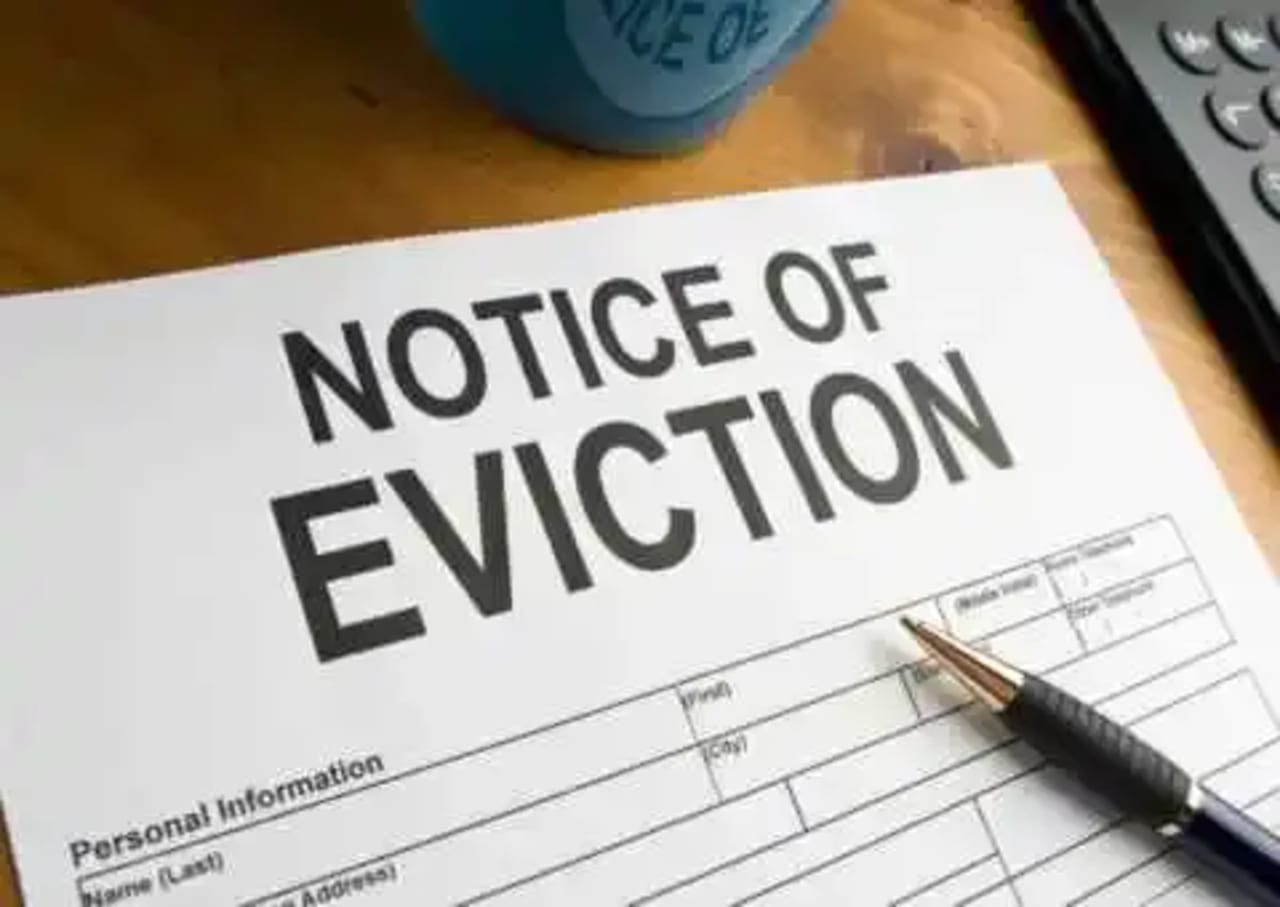
A process server in Florida ensures that legal documents such as subpoenas, summons, eviction notices, and complaints reach the right person in the right way. The role may sound straightforward, but in reality, it requires patience, persistence, and problem-solving.
Duties include:
- Locating people who sometimes don’t want to be found.
- Handling legal documents delivery within strict court deadlines.
- Following Florida’s state laws and county-specific rules for proper service.
- Filing proof of service so cases can move forward.
Morning Routines: Organizing the Day
For process servers, the day starts early. Before the sun is up, many are already planning their routes and reviewing assignments.
- Sorting paperwork: Each set of documents comes with a deadline and details about the recipient.
- Planning routes: A process server in Miami might start downtown and work outward, balancing rush hour and neighborhood access.
- Verifying addresses: Sometimes, the information is outdated. Cross-checking public records or even doing a little discreet neighborly inquiry is often part of the job.
By the time most people are grabbing their first coffee, servers are already knocking on doors.
Real Stories from Florida Process Servers
No two serves are the same, and that unpredictability is what makes this profession both challenging and rewarding.
The Avoider
One Florida process serveronce arrived at a house where the car was in the driveway, the lights were on, and the TV was playing, but the recipient refused to answer. After several attempts throughout the day, the server finally caught the man when he stepped outside to take out the trash.
The Emotional Encounter
Serving divorce papers can be especially difficult. One woman, upon receiving her documents, broke down crying on her porch. The server remained professional yet compassionate, giving her space to process the moment.
This story reminds us: process servers aren’t just delivering papers, they’re delivering life-changing news.
The Unexpected Twist
Sometimes, timing is everything. One process server walked into what looked like a quiet home, only to find a birthday party in full swing. Rather than embarrass the recipient, the server pulled them aside privately and completed the serve.
Flexibility and quick thinking are part of the toolkit in this job.
Deadlines, Pressure, and Accuracy
Florida courts don’t play when it comes to deadlines. If a serve isn’t completed on time, it can derail an entire case.
- Rush jobs: Some attorneys call with less than 24 hours’ notice.
- Multiple attempts: A process server may try mornings, evenings, and weekends to reach someone.
- **Proof of service**: Every serve ends with detailed paperwork confirming the time, date, and method of delivery. Mistakes here could invalidate the serve.
Tools That Make It Possible
While some aspects of the job feel old-fashioned, knocking on doors, face-to-face interaction, today’s process servers rely on modern tools:
- GPS tracking to document attempts.
- Skip tracing software to locate people who’ve moved or are avoiding service.
- Mobile apps to log details and communicate with attorneys in real time.
Still, no tool replaces the people skills and patience required in the field.
The Challenges of Serving Legal Papers
The job isn’t easy. Beyond paperwork and planning, process servers face obstacles that test their professionalism.
- Safety concerns: Knocking on a stranger’s door can turn volatile. Some recipients yell, threaten, or even physically intimidate.
- Uncooperative individuals: Many slam doors or claim not to live there. Servers must know the legal workarounds, like substitute service, to get the job done.
- Emotional toll: Delivering eviction notices, custody papers, or foreclosure documents takes resilience.
Why It Matters
It’s easy to underestimate the role of process servers, but they are guardians of fairness in the justice system.
- For plaintiffs, they ensure cases can move forward.
- For defendants, they uphold the right to know and respond.
- For courts, they ensure due process is never skipped.
Without legal document delivery, Florida’s legal system would grind to a halt.
Final Thoughts: Serving Papers, Serving Justice
The process of service in Florida is unpredictable, demanding, and often underappreciated. It’s not just about handing over an envelope, it’s about persistence, professionalism, and empathy during someone’s most difficult moments.
The next time you hear about a case moving forward in Florida courts, remember there was likely a process server who quietly made it possible. They aren’t just serving papers, they’re serving justice.
👉 Need trusted support for the process of service in Florida? Headley Legal Support is here to handle your legal documents with accuracy, discretion, and professionalism. Contact us today to get started.